Maximize Trap Efficacy: Asian Hornet Control May to July
The fight against the invasive Asian hornet (
Vespa velutina nigrithorax) is a critical battle for biodiversity, agriculture, and public safety. This aggressive predator, known for decimating honeybee populations and posing a painful sting threat to humans, requires proactive and strategic control measures. Among the most effective tools in this fight are specialized traps, often known in French as *pièges frelon asiatique*. Understanding the optimal timing and deployment of these traps is paramount for maximizing their efficacy. From May to July, a crucial window opens for targeted intervention that can significantly curb the proliferation of this unwelcome insect.
Understanding the Asian Hornet Threat and Why Timely Trapping Matters
The Asian hornet's impact extends far beyond the apiary. While beekeepers are acutely aware of the threat these hornets pose to their hives – often preying on bees directly at the hive entrance – the ecological ramifications are broader. Native pollinators are also vulnerable, and the hornets’ presence in urban and rural areas increases the risk of human encounters, which can result in severe allergic reactions or simply painful stings. This invasive species arrived in Europe in the early 2000s and has since spread rapidly, necessitating continuous efforts to manage its populations.
The period from May to July is not an arbitrary recommendation; it's a strategic window based on the Asian hornet's life cycle. During late spring and early summer, overwintering queen hornets emerge from hibernation. These queens are solitary, focused on establishing new nests. Catching a queen at this stage means preventing an entire colony of thousands of hornets from forming later in the season. As the season progresses into July, the first generation of worker hornets begins to emerge, initiating foraging activities to support the growing nest. Trapping these early workers helps to limit the initial growth phase of the colony, reducing its potential size and impact throughout the peak activity months of late summer and early autumn. Implementing a robust trapping strategy with
essential Asian hornet traps during this period is therefore an investment in mitigating future infestations and protecting vulnerable populations. Ignoring this early window means facing a much larger, more entrenched problem later on.
The Science Behind Effective Pièges Frelon Asiatique
What makes certain traps effective against Asian hornets, and how do they differ from general insect traps? The key lies in their *specificity*. A truly effective *piège frelon asiatique* is designed to attract Asian hornets while minimizing the capture of non-target species, especially beneficial insects like honeybees and native pollinators. This selectivity is crucial for maintaining ecological balance and ensuring that control efforts are precisely targeted.
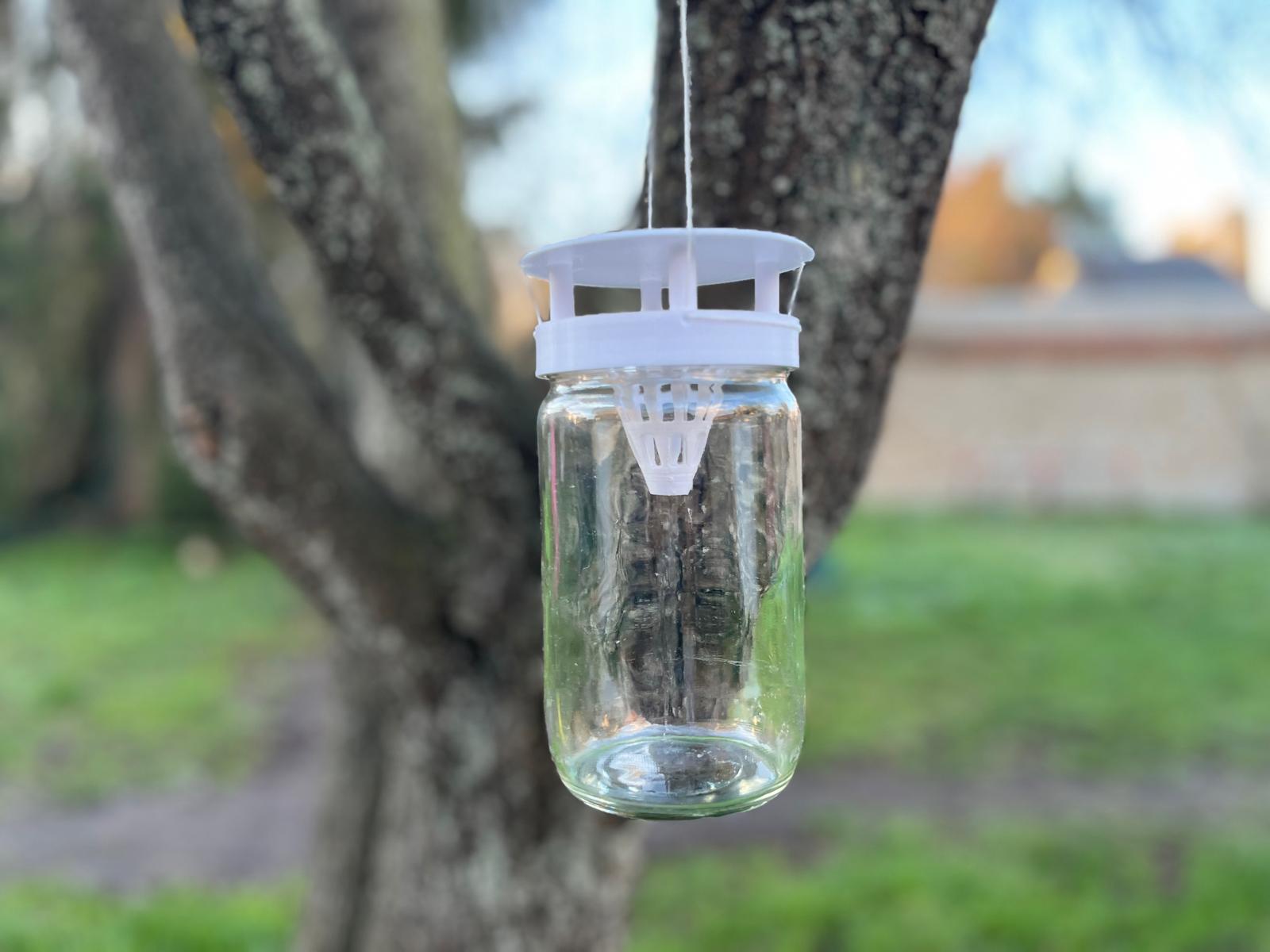
The design of specific traps often includes particular entry points or funnel systems that allow hornets to enter but make it difficult for them to escape, while being less appealing or accessible to other insects. For example, some designs feature entrance holes sized specifically for hornets, or internal baffles that guide hornets downwards into a collection chamber. The choice of bait is equally critical. General sugar solutions might attract many insects, but specific attractants can be formulated to be highly appealing to Asian hornets. Common effective baits often involve fermented fruit juices, beer, or specialized commercial attractants that emit compounds irresistible to
Vespa velutina. For instance, a mixture of dark beer, grenadine syrup, and white wine is a popular homemade recipe, with the wine thought to deter bees. The fermentation process creates alcohols and acids that hornets detect and find appealing. Regular changing of the bait – typically every 1-2 weeks, or more frequently in hot weather – is essential to maintain its attractiveness and effectiveness.
These
specific traps are designed to protect bees and people by creating a safe zone around apiaries and residential areas. By consistently deploying and maintaining these specialized devices, we can create a defensive perimeter that significantly reduces hornet predation pressure on beehives and minimizes the risk of human-hornet interactions.
Strategic Placement and Best Practices for Maximizing Efficacy
The success of your trapping efforts hinges not just on having the right *pièges frelon asiatique*, but on where and how you deploy them. Strategic placement can dramatically increase capture rates and overall effectiveness.
- Location is Key: Place traps near areas where hornet activity is expected or observed. This includes apiaries, gardens, orchards, compost heaps, and other spots with potential food sources or where hornets might seek shelter. For apiaries, position traps approximately 5-10 meters away from the hives, rather than directly next to them, to intercept hornets before they reach the bees.
- Sun and Shelter: Horns prefer sunny, sheltered spots. Placing traps in areas that receive morning sun can help activate the bait's aroma, making it more attractive. Ensure traps are protected from strong winds that could spill bait or reduce its olfactory range.
- Height Matters: Hang traps at a height of 1.5 to 2 meters off the ground, typically from tree branches or posts. This height is generally optimal for hornets' flight paths.
- Density: For a typical apiary, deploy several traps rather than just one. A good starting point is 2-4 traps per apiary, adjusting based on observed hornet activity. In larger areas or zones with high pressure, more traps may be needed.
- Regular Maintenance: Check traps every few days. Empty captured hornets (dispose of them humanely, e.g., by freezing or immersion in soapy water) and refresh the bait. Old, stale bait loses its attractiveness. Clean traps periodically to prevent build-up that could deter hornets.
- Monitoring: Keep a record of the number of hornets caught. This data can help you identify peak activity periods, assess the effectiveness of your trap placement, and determine if additional measures are needed.
DIY vs. Commercial Traps: A Comparative Look
Both homemade and commercially available traps have their place in Asian hornet control. DIY solutions, often made from repurposed plastic bottles, are cost-effective and allow for quick deployment. They typically rely on a simple funnel design and homemade fermented baits. However, their selectivity can sometimes be lower, and their durability might be limited.
Commercial *pièges frelon asiatique*, on the other hand, are often designed with greater precision. They frequently feature specific entry mechanisms, optimized dimensions, and sometimes come with specialized attractants that have been scientifically formulated for enhanced selectivity towards Asian hornets. While they represent a greater initial investment, their improved efficacy and durability can make them a worthwhile choice for serious control efforts. Regardless of the type, the principle remains the same: a selective, well-baited trap, strategically placed and regularly maintained, is your best defense.
Beyond Trapping: An Integrated Pest Management Approach
While trapping is a vital component, it’s rarely a standalone solution. An integrated pest management (IPM) approach offers the most comprehensive defense against Asian hornets. This includes:
- Nest Location and Destruction: Once located, Asian hornet nests should ideally be destroyed by trained professionals. Nests can be extremely dangerous, and amateur attempts can lead to severe stings and dispersal of hornets. Early trapping can help reduce the number of nests that mature.
- Community Awareness: Educating local communities about how to identify Asian hornets, report sightings, and understand the importance of early trapping is crucial. Public participation is key to a successful regional strategy.
- Collaboration: Working with local authorities, beekeeping associations, and environmental groups can lead to coordinated efforts, sharing of best practices, and more effective resource allocation.
Key Takeaways for Successful Asian Hornet Control
Effective control of the Asian hornet is an ongoing challenge that demands vigilance and strategic action. The period from May to July stands out as the most critical time for intervention, primarily due to the life cycle of the hornet queen and the early development of colonies. By focusing trapping efforts with *pièges frelon asiatique* during these vital months, we can intercept queen hornets before they establish nests and curtail the initial growth of nascent colonies.
Remember the pillars of success:
- Timing: Deploy traps consistently from May to July.
- Specificity: Use traps and baits designed to attract Asian hornets while sparing non-target species.
- Placement: Strategically position traps near vulnerable areas, utilizing optimal height, sun exposure, and density.
- Maintenance: Regularly check, empty, and re-bait traps to ensure continuous effectiveness.
By adhering to these best practices, you empower yourself and your community to make a tangible difference in limiting the spread and impact of this invasive species.
Conclusion
The battle against the Asian hornet requires a concerted, well-timed effort. By understanding the hornet's life cycle and diligently deploying and maintaining *pièges frelon asiatique* from May to July, we can significantly reduce the pressure on our invaluable bee populations, protect other native insects, and ensure the safety of our communities. Proactive control is not just about managing a pest; it's about safeguarding our ecosystems and promoting biodiversity for future generations. Don't wait until the problem is overwhelming – act now to maximize your trapping efficacy and contribute to a healthier environment.