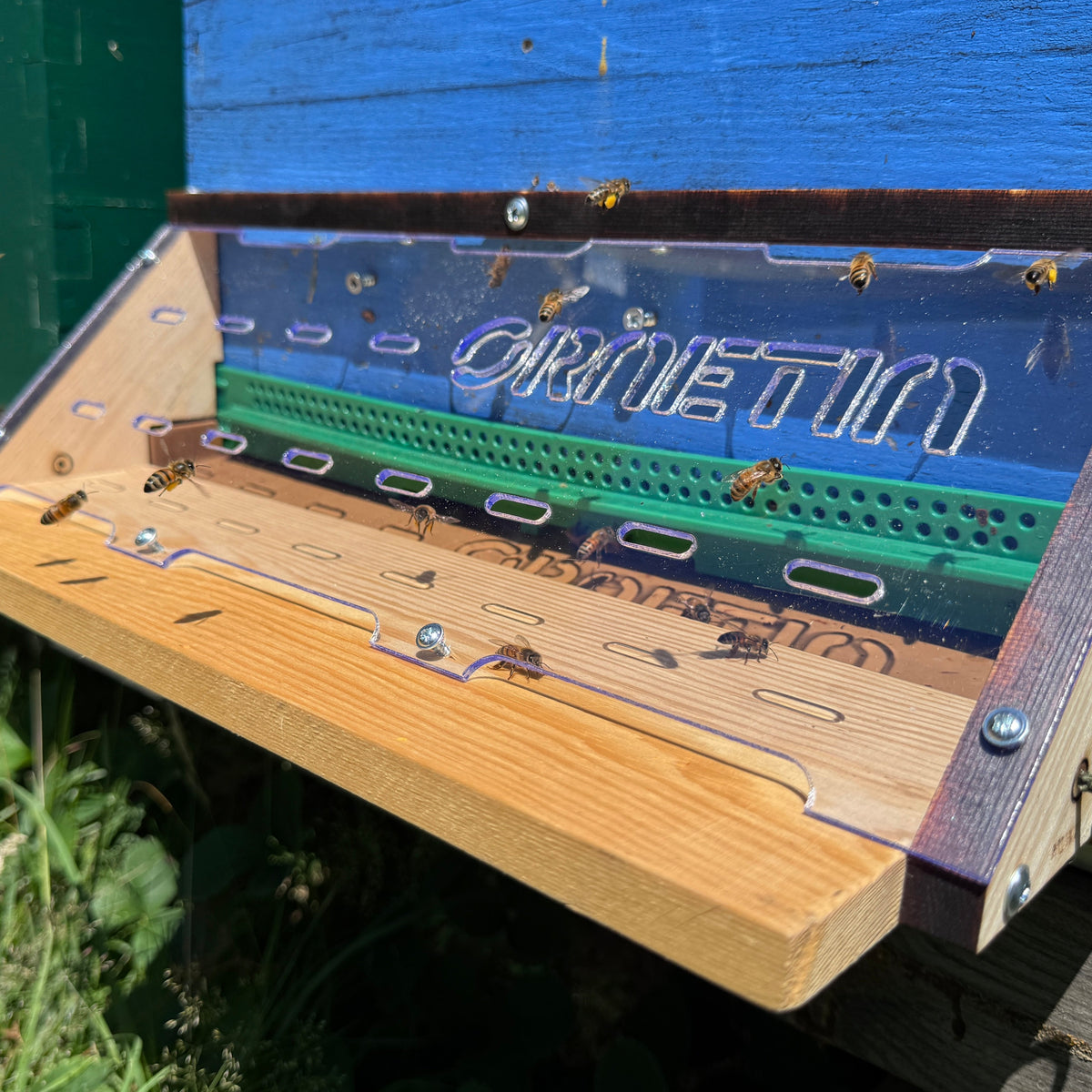
Protecting Our Ecosystem: The Critical Need for Asian Hornet Traps
The arrival and rapid spread of the Asian Hornet (
Vespa velutina nigrithorax) across Europe presents a formidable challenge to native biodiversity, particularly threatening honeybee populations and posing a risk to human safety. This invasive predator can decimate bee colonies, disrupt local ecosystems, and cause significant economic losses for beekeepers. Protecting our precious pollinators and safeguarding public areas requires proactive and effective measures. Among the most crucial tools in this fight are specific Asian Hornet traps, or as they are known in French,
pièges frelon asiatique. These specially designed traps are not just any insect catcher; they are engineered to target the invasive hornet while minimising harm to beneficial insects, playing a vital role in limiting their proliferation and impact.
From May to July, the Asian Hornet population experiences significant growth, making this period particularly critical for trapping efforts. Deploying these selective traps strategically near beehives and other vulnerable zones can make a substantial difference in mitigating the threat. This comprehensive guide will delve into why these traps are essential, how they work, and the best strategies for their deployment to ensure maximum efficacy.
The Growing Menace: Why Asian Hornets Demand Action
The Asian Hornet is more than just another stinging insect; it is an apex predator to many native insects, with a particular fondness for honeybees. Unlike native European hornets, which are part of a balanced ecosystem,
Vespa velutina is an alien species with no natural predators in its introduced range, allowing its populations to explode unchecked.
*
Devastation of Bee Colonies: Asian Hornets are notorious for "hawking" at the entrance of beehives, capturing foraging bees as they come and go. A single hornet can kill numerous bees, and large groups can quickly stress and weaken entire colonies, leading to their collapse. This predatory pressure is a major concern for beekeepers and the wider agricultural sector that relies on bee pollination.
*
Threat to Biodiversity: Beyond honeybees, Asian Hornets prey on a wide array of other insects, including hoverflies, wasps, and other pollinators, disrupting delicate food webs and impacting overall insect biodiversity.
*
Public Safety Concerns: While generally not aggressive unless their nest is disturbed, Asian Hornets can deliver painful stings, and their presence in urban or recreational areas can be a source of anxiety and a public health risk. Multiple stings, especially in allergic individuals, can be dangerous.
The urgency to control Asian Hornet populations cannot be overstated. By understanding the life cycle and behaviours of this invasive species, we can implement targeted strategies, with
pièges frelon asiatique at the forefront, to protect both our ecosystems and communities. For a deeper dive into the broader scope of the threat and how specific traps fit into the larger protective strategy, we recommend reading our related article:
Asian Hornet Threat: Protect Bees & People with Specific Traps.
Understanding Pièges Frelon Asiatique: What Makes a Trap Effective?
Not all traps are created equal when it comes to managing Asian Hornets. The effectiveness of a
piège frelon asiatique lies in its specificity and design, which differentiate it from generic insect traps. The goal is to catch the Asian Hornet without harming beneficial insects like honeybees, native wasps, or other pollinators.
Key Characteristics of Specific Traps:
*
Selective Entry Points: True Asian Hornet traps feature entrance holes or funnels that are precisely sized. These openings are typically large enough for Asian Hornets to enter but too small for larger European Hornets (
Vespa crabro) and often designed to prevent bees from entering or allow them to escape easily if they do. Some designs incorporate a one-way mechanism or a cone that makes escape difficult for hornets but simpler for smaller insects.
*
Bait Selectivity: While the physical design is crucial, the bait used within the trap is equally important. Effective baits for Asian Hornets typically involve a fermented mixture of sweet and slightly alcoholic substances. Common ingredients include:
* **Beer (dark or brown ale):** Its yeast content and fermentation by-products are highly attractive.
* **Fruit Juice or Syrup:** Mixed with a small amount of alcohol (e.g., cassis syrup, white wine) or beer to initiate fermentation.
* **Specialised Commercial Attractants:** Many brands offer specific lures designed to mimic the pheromones or food sources attractive to Asian Hornets.
* **Avoiding Sugar Water Alone:** Pure sugar water or honey-based baits should be avoided as they can attract honeybees and other beneficial insects, defeating the purpose of selectivity.
*
Robust Construction: Given that traps are often outdoors for extended periods, they need to be durable and weather-resistant, able to withstand various conditions while remaining effective.
The primary objective of these specific traps, as highlighted in the reference context, is to "protect beehives and people from painful stings" by "limiting the presence and proliferation of the Asian Hornet." This focus on targeted control is what makes a dedicated
piège frelon asiatique an invaluable tool.
Strategic Trapping: When and Where to Deploy for Maximum Impact
Effective trapping isn't just about having the right equipment; it's about deploying it at the right time and in the right place. The context explicitly states "May to July" as the crucial period for installation, but a truly comprehensive strategy often extends beyond these months.
Early Season: Catching the Queens (February – April)
While the context focuses on May-July, an often-overlooked but highly effective strategy is early spring trapping.
* **The Rationale:** In early spring, newly emerged queen hornets are seeking to establish new nests. Each queen caught at this stage prevents an entire colony (potentially thousands of hornets) from forming later in the year. This is arguably the most impactful time for control.
* **Placement:** Place traps in sheltered, sunny spots where queens might emerge from hibernation or search for early food sources – near compost heaps, sheds, south-facing walls, or early flowering plants.
* **Bait Considerations:** Queens require energy after hibernation, so a slightly sweeter, less fermented bait might be more attractive initially, transitioning to more standard baits as the weather warms.
Peak Season: Protecting Hives and Hotspots (May to July)
This is the period specifically highlighted in the reference context for deploying your
pièges frelon asiatique.
* **Why May to July?** During these months, Asian Hornet colonies are growing rapidly. Workers are emerging, and foraging activity increases dramatically, putting immense pressure on bee colonies. Trapping during this time helps to reduce the number of workers foraging near hives and other sensitive areas.
* **Near Hives:** Install traps 5-10 meters from beehives. This distance is close enough to intercept hornets targeting the hive entrance but far enough to avoid unduly stressing the bees with the presence of the trap itself. Ensure traps are visible and easily accessible for monitoring and maintenance.
* **Sensitive Zones:** Deploy traps in gardens, near fruit trees, outdoor dining areas, playgrounds, or anywhere people congregate and hornets might be a nuisance or danger.
* **Maximising Efficacy:** Regularly check and replenish the bait. A trap with old, dried-up bait is useless. Consider multiple traps in larger areas for broader coverage. To get the most out of your trapping efforts during this critical window, refer to our article:
Maximize Trap Efficacy: Asian Hornet Control May to July.
Late Season: Reducing Next Year's Threat (August – October)
Though not explicitly in the context, late-season trapping can also play a role.
* **The Rationale:** Towards late summer and early autumn, colonies produce new queens and males that will mate and overwinter. Trapping workers at this time can indirectly reduce the number of new queens that successfully emerge and establish nests the following spring.
* **Placement:** Continue to place traps near known hornet activity or potential foraging sites.
* **Bait Considerations:** Hornets may shift their preferences towards more protein-rich foods in late season, but standard fermented baits usually remain effective.
Practical Tips for Using Your Pièges Frelon Asiatique
Deploying traps is just the first step. Ongoing management and vigilance are key to a successful trapping strategy.
*
Bait Recipes: A highly effective and selective bait can be made from:
* 1/3 dark beer
* 1/3 fruit syrup (e.g., cassis, grenadine)
* 1/3 white wine (not too sweet)
The alcohol content deters bees, while the fermentation by-products attract hornets.
*
Regular Maintenance: Change the bait every 1-2 weeks, or sooner if it becomes contaminated, diluted by rain, or dries out. Clean the trap thoroughly each time to remove dead insects and maintain hygiene.
*
Monitor and Release: Always check your traps regularly (daily or every other day). If you catch non-target insects (like native wasps, flies, or even smaller European hornets), carefully release them. This practice ensures your efforts remain selective and environmentally responsible.
*
Safe Handling: Asian Hornets can be aggressive inside a trap. Approach with caution. When changing bait, ensure any live hornets are dealt with safely (e.g., by submerging the trap in water for a few minutes or by freezing the trap) before opening it.
*
Combine with Other Efforts: Trapping is one tool. If you locate a nest, do not attempt to remove it yourself. Report it to local authorities or pest control experts who are equipped to handle Asian Hornet nests safely and effectively. Community awareness and reporting are crucial.
Conclusion
The fight against the Asian Hornet is a collective responsibility, and the strategic deployment of specific
pièges frelon asiatique is a cornerstone of this effort. By understanding the threat, employing well-designed and selective traps, and adhering to optimal timing and placement strategies, we can significantly curb the proliferation of this invasive species. Protecting our invaluable honeybees, safeguarding our native ecosystems, and ensuring public safety requires vigilance, knowledge, and consistent action. Equip yourself with the right tools and knowledge, and play your part in protecting our environment from this persistent threat.